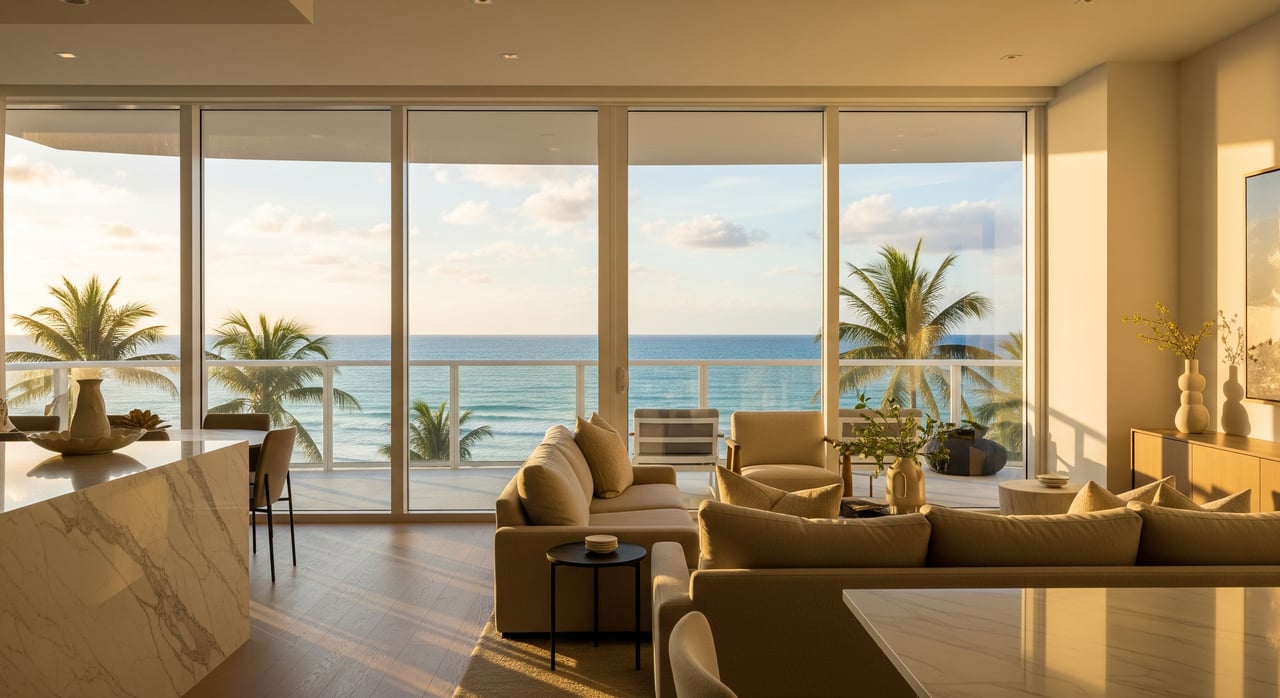
Waking up to the Atlantic on one side and the Intracoastal on the other is a dream many buyers share in Hillsboro Beach. If this is your first condo purchase, you might be wondering how HOA rules, insurance, and building health affect your budget and lifestyle. In this guide, you’ll get a clear, step-by-step plan tailored to Hillsboro Beach so you can buy with confidence. Let’s dive in.
Why Hillsboro Beach condos are different
Hillsboro Beach is a small coastal town in Broward County with its own local rules for parking, beach access, and rentals. You’ll also follow Broward County processes for property records, taxes, and recordings. That means you should confirm town ordinances and county requirements as part of your due diligence.
You’ll see two common building types here. Oceanfront towers take direct wind, salt, and surf exposure, which can increase maintenance and insurance considerations. Intracoastal buildings still sit in a marine environment but may face less direct wave action while experiencing tidal or high-tide flooding risks.
For first-time and seasonal buyers, it pays to understand how the association’s finances, reserves, and rules shape your day-to-day life and long-term costs.
The association package you need
Core documents to request
Ask for the full resale or estoppel package. It should include:
- Declaration of Condominium, Bylaws, and Articles of Incorporation
- Rules and Regulations for parking, pets, leasing, and building changes
- Current budget and recent financial statements
- Reserve study and current reserve balances
- Certificate of insurance for the master policy with deductibles
- Board meeting minutes for the last 12 to 24 months
- Litigation disclosure for pending lawsuits
- Estoppel or payoff letter for the specific unit
- Management agreement and manager contact information
- Occupancy and rental schedule showing owner-occupancy versus rentals
What an estoppel letter tells you
An estoppel is a status letter from the association that shows what the seller owes. It should note any unpaid dues, fines, or special assessments that are pending. Ask who pays the estoppel fee and whether it includes approved assessments that have not been billed yet.
Reading the financials like a pro
- Reserves: Look for a recent reserve study with line items for roof, elevators, exterior paint, concrete, windows, and mechanicals.
- Budget stability: Check whether dues are stable and what they cover, such as insurance, utilities, cable, or security.
- Assessments: Repeated or large assessments can signal underfunding. See how recent projects were paid for and whether more are coming.
- Delinquencies and debt: High owner delinquency or association loans can impact services, future dues, and lending.
Litigation and risk signals
Pending lawsuits, especially those tied to structural or building envelope issues, can affect lending and lead to assessments. Read board minutes to understand the status, expected costs, insurance claims, and whether the association plans to use reserves, loans, or assessments to resolve matters.
Rules for rentals, pets, and changes
Many condos set minimum lease terms, caps on the number of allowed rentals, or waiting periods before an owner may lease. Pet policies and parking rules vary by building. Any changes to doors, windows, balconies, or locks often require board approval. Confirm rules and timelines early, especially if you plan seasonal use or occasional renting.
Financing and lender approvals
Project eligibility matters
Conventional and government-backed loans often require condo projects to meet eligibility standards. Lenders look at owner-occupancy ratios, reserves, commercial space, and litigation. If a building is not on an agency approval list, you may still finance the purchase, but the lender could require a higher down payment or more conservative terms.
Down payment expectations
Down payments for condos can be higher than for single-family homes. Depending on the building and the loan program, you may see requirements in the 10 to 25 percent range. Speak with a lender who understands Florida condos so you can match your financing plan to the project.
Insurance you will need
- Master policy: The association insures common areas and the structure, but coverage limits vary.
- HO-6 policy: You typically need an HO-6 policy for interior finishes, personal property, and loss of use. Add Loss Assessment coverage to help with your share of the association deductible or a covered special assessment after a claim.
- Flood insurance: Lenders require it if the building is in a Special Flood Hazard Area. Even if not required, flood coverage is smart in a coastal market.
- Windstorm and hurricane: Florida policies often have separate wind deductibles. Review deductibles and boundaries carefully so you know your true exposure.
Appraisal and valuation
Appraisers consider building condition, special assessments, reserve strength, and upcoming projects. A well-funded reserve plan and transparent project history can support value and help your loan process go smoothly.
Coastal building checks you should not skip
Flood zones, surge, and elevation
Use flood maps to identify the building’s zone, such as AE, VE, or X, and confirm elevation. Oceanfront buildings may face storm surge and wave action. Intracoastal properties can encounter tidal or king-tide flooding. Ask about any past flood claims.
Salt air, concrete, and windows
Marine conditions accelerate corrosion and concrete spall. Look for a cadence of building envelope inspections, concrete repairs, and repaint cycles. Confirm whether the building requires impact-rated windows or shutters and when openings were last updated.
Elevators, HVAC, and plumbing
Check elevator age and service history. In older buildings, cast iron or galvanized plumbing can be a costly project if deferred. Ask if replacements or lining projects have been done and how they were funded.
Hurricanes, repairs, and assessments
If the building had hurricane damage, find out how repairs were paid for. Insurance proceeds, association loans, or special assessments can all affect affordability and resale.
Beach access and parking realities
Verify whether your building has private or deeded beach access, plus any dune crossover rules. For parking, confirm your assigned spaces, guest parking, storage, and whether town permits are needed for street parking.
A simple buying timeline
- Pre-offer
- Choose a condo-savvy agent and a lender who understands condo approvals.
- Verify likely loan types for your situation and whether the building is eligible.
- Offer
- Include contingencies for association document review, inspections, and financing.
- After acceptance
- Request the complete resale or estoppel package.
- Start lender underwriting and order inspections, including general, wind mitigation, roof or balcony if accessible, and pest.
- Document review
- Read financials and meeting minutes. Ask an experienced agent or attorney to flag unusual clauses, litigation, and capital projects.
- Insurance
- Confirm flood and wind requirements. Obtain HO-6 with Loss Assessment coverage and understand the master policy deductibles.
- Appraisal and conditions
- Satisfy lender conditions, confirm any special assessments, and negotiate who pays them.
- Final walk-through and closing
- Verify repairs, fixtures, and access devices. Confirm parking and storage.
First-time buyer checklist for Hillsboro Beach
Association and financial
- Declaration, Bylaws, Articles of Incorporation
- Rules and Regulations, rental policy, pet policy, parking plan
- Current budget, financial statements, reserve study and balances
- Insurance certificate and deductibles, recent loss history if available
- Meeting minutes for 12 to 24 months
- Litigation disclosure
- Estoppel certificate showing dues, fines, and assessments
- Management agreement and contact details
Property and risk
- Flood zone and building elevation
- Window and door status, impact ratings or shutters
- Roof, elevator, and mechanical ages and service records
- Concrete restoration history and repaint cycle
- Plumbing materials and replacement projects
- Beach access rights and dune crossover rules
- Assigned parking, guest parking, storage lockers
Budget planning beyond the list price
- HOA dues: Review what your fee covers. Some buildings include certain utilities or cable, while others do not.
- Insurance: Estimate HO-6, flood if required, and wind coverage exposure through deductibles.
- Special assessments: Ask about recent or approved projects and whether funding comes from reserves, loans, or assessments.
- Taxes: Verify past tax bills and any exemptions through Broward County offices.
Tips for snowbirds and part-time owners
- Rental flexibility: If you plan seasonal renting, confirm minimum lease terms, lease caps, and any waiting periods.
- Security and management: Ask how the building manages packages, guest access, and emergencies when you are away.
- Parking and guests: Check guest parking rules during peak season and any town permit requirements.
- Communication: Look for proactive management and clear board communication in minutes and notices.
How a local expert helps you win
A condo purchase in Hillsboro Beach is about more than views. It is about the right building, strong reserves, clear rules, and a smart insurance plan. With concierge-level guidance, multilingual communication, and deep condo experience across the Broward coast, you can move forward with certainty.
If you are ready to explore oceanfront and Intracoastal options, let’s map out a plan that fits your lifestyle, budget, and timeline. Schedule your consultation with Patti Davila PA.
FAQs
What does an HOA estoppel include for a Hillsboro Beach condo?
- It summarizes the unit’s dues status, unpaid fines, and approved special assessments that may not be billed yet, so you know what you could owe at closing.
How do condo reserves affect my first home purchase?
- Strong, well-documented reserves reduce the chance of special assessments and can support appraisal and loan approvals, which helps protect your budget.
Do oceanfront buildings always require flood insurance?
- Lender requirements depend on the FEMA flood zone for the property, but many coastal buildings do fall in zones where flood coverage is required or recommended.
Can I rent my Hillsboro Beach condo seasonally as a snowbird?
- Possibly, but many associations set minimum lease terms, caps, or waiting periods, so confirm the exact rental policy before you buy.
What is Loss Assessment coverage on my HO-6 policy?
- It helps pay your share of an association deductible or covered special assessment after an insured event, which can limit out-of-pocket surprises.
How do special assessments impact my loan and appraisal?
- Active or pending assessments, or major upcoming projects, can influence valuation and lending terms, so lenders and appraisers will review them closely.