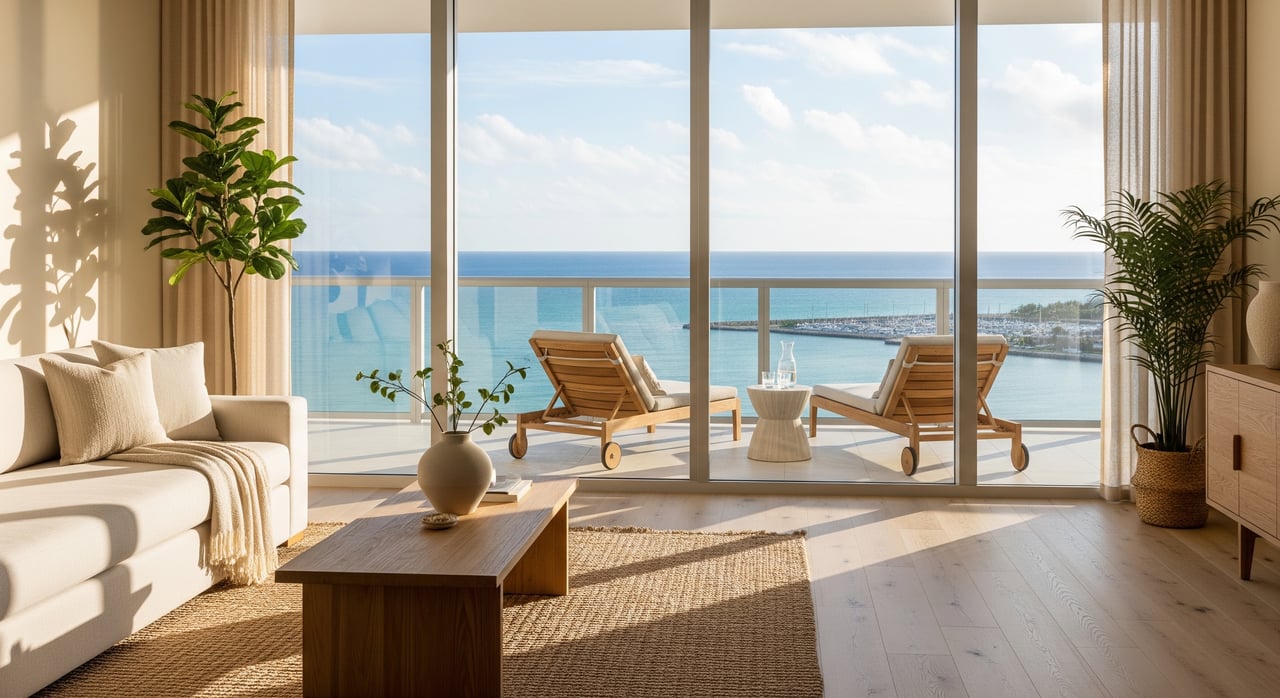
Picture your morning starting with the sound of waves, a short stroll to the sand, and coffee on your balcony as the sun lifts over the Atlantic. If you are considering an oceanfront condo in Pompano Beach, you are likely craving a simpler routine built around fresh air, water, and easy access to everyday needs. You also want a clear view of the tradeoffs, from HOA rules to storm season readiness. This guide walks you through what daily life really looks like so you can decide if it fits your rhythm. Let’s dive in.
Morning life on the sand
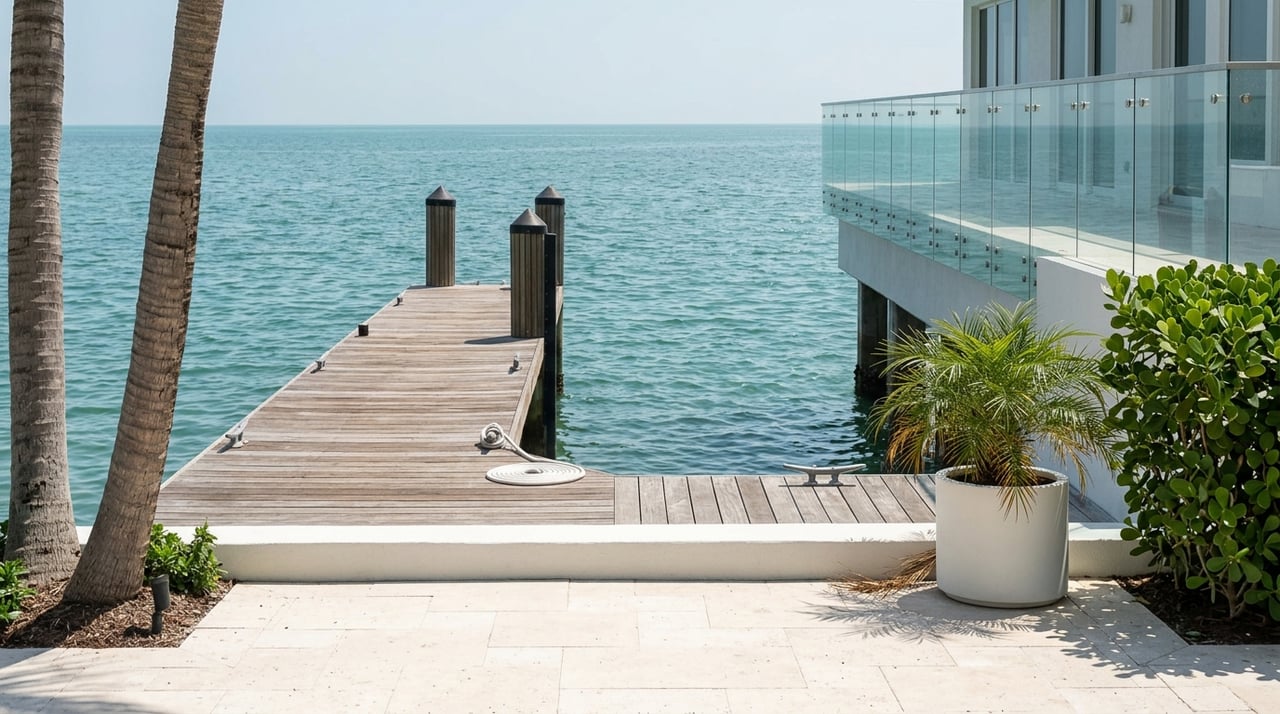
Living here, the beach shapes your day. Many buildings offer direct or gated walkways to the sand, while others sit across A1A and require a quick street crossing. The city maintains beach parks and the municipal pier, which means clean facilities, lifeguard coverage at certain times, and a steady flow of activity. You can check amenities and access points through the city’s official resources for beaches and parks.
Expect your week to include morning walks, swimming, and paddleboarding, with fishing from shore or the pier on calm days. Local operators run dive and snorkel trips, so getting out on the water becomes a regular option rather than a once-a-year event. The pier and nearby dining spots create an easy social loop for coffee, lunch, or sunset bites.
Seasons change the pace
From November through April, seasonal residents swell the population and the beachfront feels livelier. Summer is slower, warmer, and more humid, with the added need to track storms. Average highs range from the mid 70s in winter to the upper 80s and 90s in summer, according to NOAA climate normals. Your routine adapts with earlier beach time, shaded workouts, and a prepared mind-set once hurricane season begins.
Amenities shape your day
Oceanfront buildings typically make daily life easier. Heated pools, fitness centers, community rooms, package rooms, and on-site staff reduce errands and help you stay active without leaving home. Higher-end properties may add 24/7 security or concierge services that simplify deliveries, vendor access, and guest coordination.
Salt air maintenance
Salt air is part of the charm and the challenge. It accelerates wear on metal, windows, and HVAC equipment. Buildings with strong maintenance programs and solid reserves tend to have smoother operations, from clean pool decks to reliable elevators. That translates to fewer interruptions to your routine.
Noise and privacy
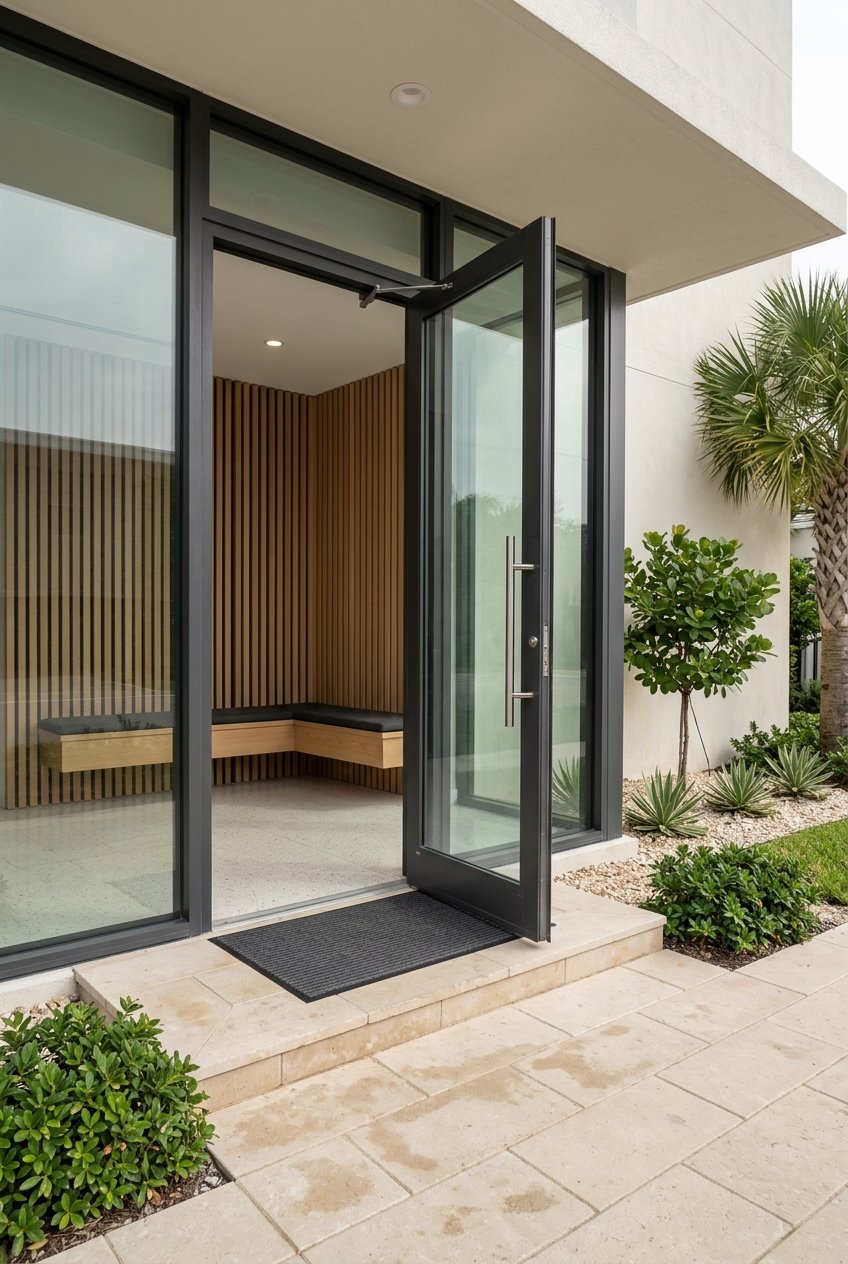
Many residents love the sound of waves. Quality doors and windows determine how much of the ocean soundtrack you hear indoors. Street activity varies by block along A1A, and areas near access points or the pier can be busier during weekends and events. You can preview upcoming happenings on the City of Pompano Beach events calendar to anticipate traffic and parking impacts.
Errands and getting around
The beachfront corridor offers restaurants and convenience retail, while larger grocery stores, pharmacies, and medical services sit a short drive inland. Walkability can change from one block to the next, so it helps to map your favorite routines and see how they line up with your building.
Car ownership is common, especially if you commute to Fort Lauderdale or Palm Beach County. Pompano Beach connects to I‑95 and major corridors, and you can reach Fort Lauderdale in roughly 20 to 30 minutes depending on traffic. Broward County runs bus service along key routes, which is useful for errands or local commuting. Explore options through Broward County Transit.
HOA rules that matter
Condo associations set the tone for day-to-day living. Rules can include quiet hours, pool times, balcony use, grill policies, pet permissions, and guest parking. Short-term rentals may be restricted or require registration. You should review an association’s declaration and rules before you buy. The Florida Division of Condominiums is a good reference point for understanding condo governance in the state.
What fees cover
Oceanfront HOA fees are often higher than inland condos. You are paying for coastal maintenance, building insurance, pool heating, elevator upkeep, and on-site staff, among other line items. Fees often include water and common-area electricity, but every building is different. Ask for a clear list of inclusions so you can compare apples to apples.
Rentals, pets, and guests
If you plan to rent your unit, check minimum lease periods and any city or HOA registration requirements. Some buildings restrict short-term stays entirely. For pet owners, confirm pet weight and breed policies. If you host visitors, review guest parking rules and whether street parking nearby requires payment.
Insurance and assessments
Two policies typically apply in a condo: the association’s master policy and your HO‑6 unit policy. On the coast, windstorm and flood risk are part of ownership, and premiums and deductibles can be significant. It is smart to get insurance quotes early in your search and verify whether the building lies in a FEMA flood zone using the FEMA Flood Map Service Center.
Special assessments can occur, especially in older coastal buildings that need structural repairs, balcony work, waterproofing, or elevator replacement. Florida’s Condominium Act requires financial disclosures, and you can review statutes at Florida Statutes Chapter 718. Ask for recent financial statements, any reserve study, and board meeting minutes that mention planned capital projects. A well-funded association can reduce surprises.
Weather and storm prep
Living oceanfront means you should be storm-ready from June 1 through November 30. Understanding the basics will help you feel prepared rather than stressed.
Hurricane season checklist
Hurricane season peaks in late summer and early fall. Review guidance from NOAA’s hurricane preparedness resources to build a simple plan. Keep a go-bag, secure balcony furniture, know how to operate shutters or impact protection, and store extra water and batteries before storms are on the radar.
Evacuation and building plans
Your building may limit elevator use during storms and could require inspections before reopening elevators after power returns. Know whether the association has a generator for common areas and how access will work if the lobby is closed. For regional updates, evacuation zones, and alerts, bookmark Broward County Emergency Management.
Parking and guest access
Most oceanfront buildings provide assigned parking, sometimes in covered garages. Guest parking varies by property, and some older buildings have fewer visitor spaces. Street and city lots near the beach may require payment or have time limits, especially on busy weekends. If hosting is a priority, confirm visitor parking policies before you make an offer.
Who loves this lifestyle
You will find a mix of full-time residents, seasonal owners, and second‑home buyers drawn to the water. Weekdays can feel quiet, especially outside of winter season, with weekends bringing a friendly hum around the pier and beach parks. If you enjoy active outdoor time, quick access to dining, and a building community with shared amenities, this lifestyle tends to fit very well.
Is it right for you?
Use this simple gut-check as you explore buildings and floor plans:
- You want the beach to be part of your daily routine, not just a vacation treat.
- You are comfortable with HOA rules and are willing to read the fine print.
- You budget for HOA fees, wind and flood coverage, and possible assessments.
- You can adapt during hurricane season and value clear building procedures.
- You prefer amenities that reduce errands and support an active lifestyle.
- You are realistic about seasonal crowds and occasional event noise.
If this sounds like you, an oceanfront condo in Pompano Beach can deliver an easy, outdoor-first life with city conveniences close by.
Ready to explore specific buildings, compare HOA documents, and align a unit with your routine? Connect with Patti Davila PA for local, bilingual guidance and a concierge experience from search to closing. Hablamos español, français, italiano. Schedule your concierge consultation.
FAQs
How walkable is the Pompano Beach oceanfront for daily needs?
- Walkability varies by block; restaurants and the pier area are close, while full-service groceries and medical offices are a short drive inland.
What should I know about HOA fees in oceanfront buildings?
- Fees are typically higher than inland condos due to coastal maintenance, insurance, amenities, and staffing, and inclusions vary by building.
Are short-term rentals allowed in Pompano Beach oceanfront condos?
- Policies differ; many associations restrict short stays or require registration, so you should review the condo declaration and rules before buying.
What insurance do I need for an oceanfront condo?
- You generally need an HO‑6 policy for your unit and may need wind and flood coverage depending on lender and FEMA flood zone.
How noisy is it near the pier and events?
- The sound of waves is constant, while traffic and event noise increase near access points and the pier during weekends and festivals.
What does hurricane season mean for condo residents?
- From June through November you should follow building procedures, secure balconies, and monitor county alerts as elevators and access can be limited after storms.