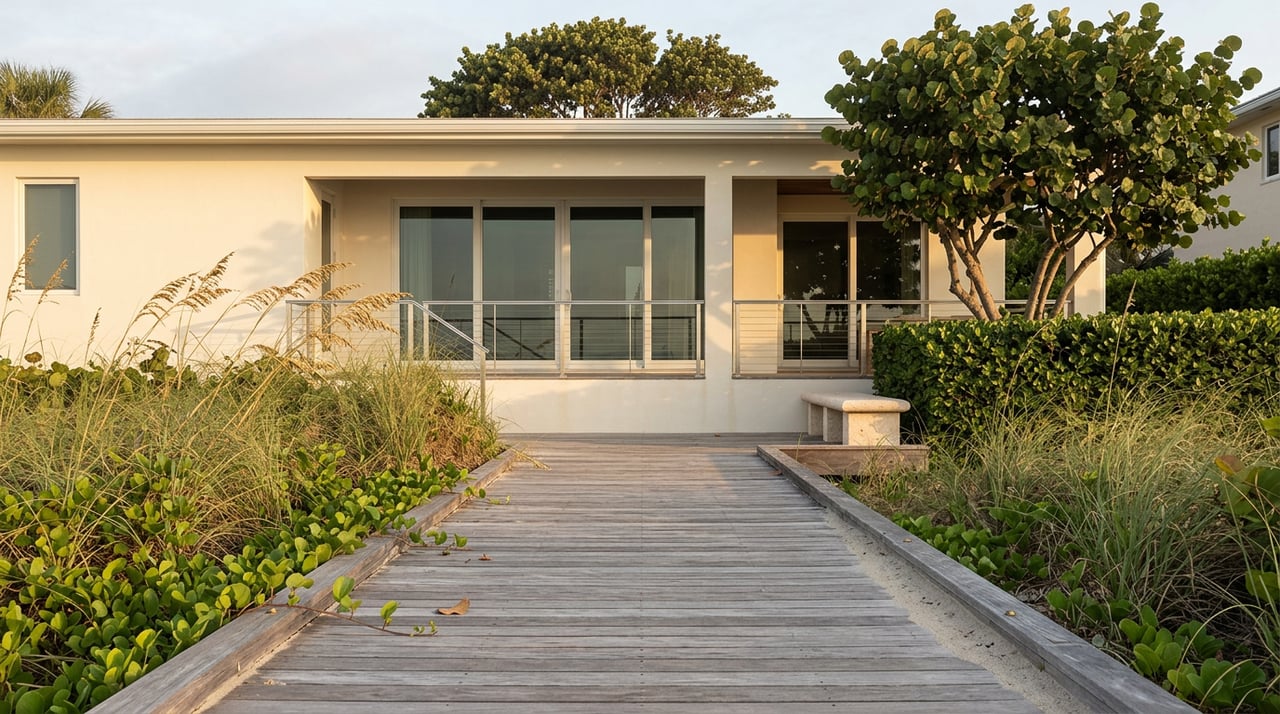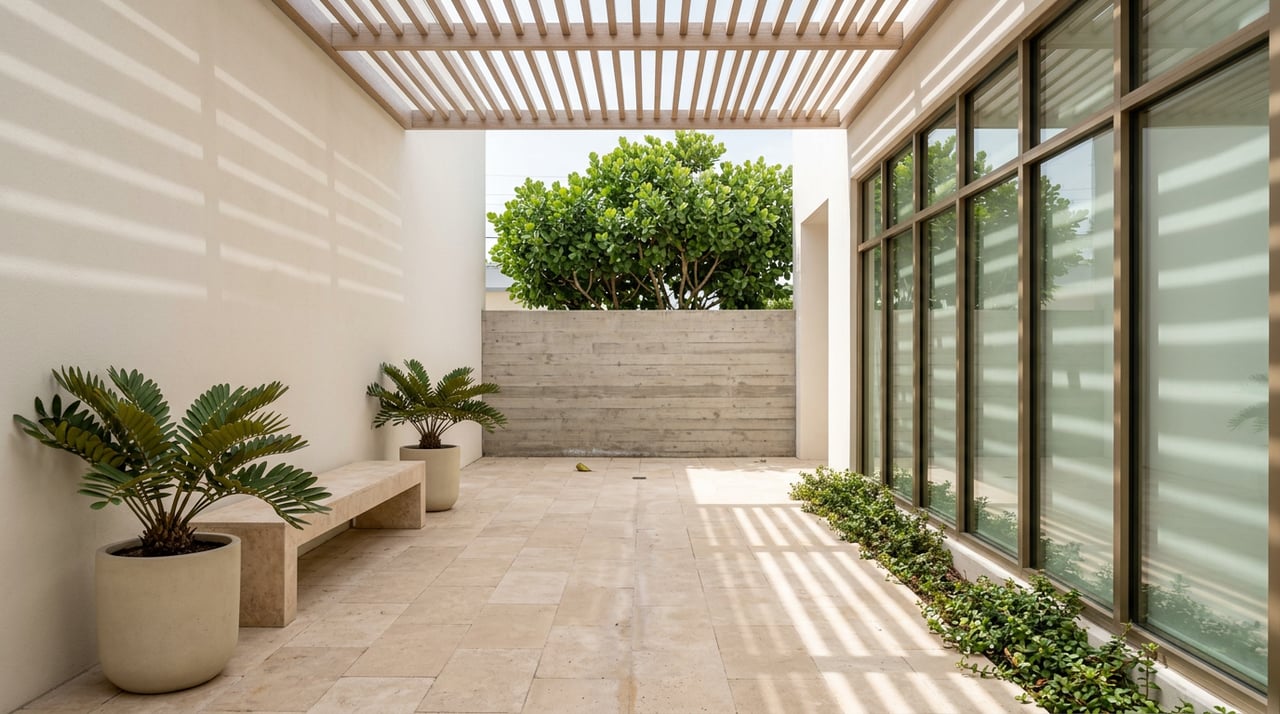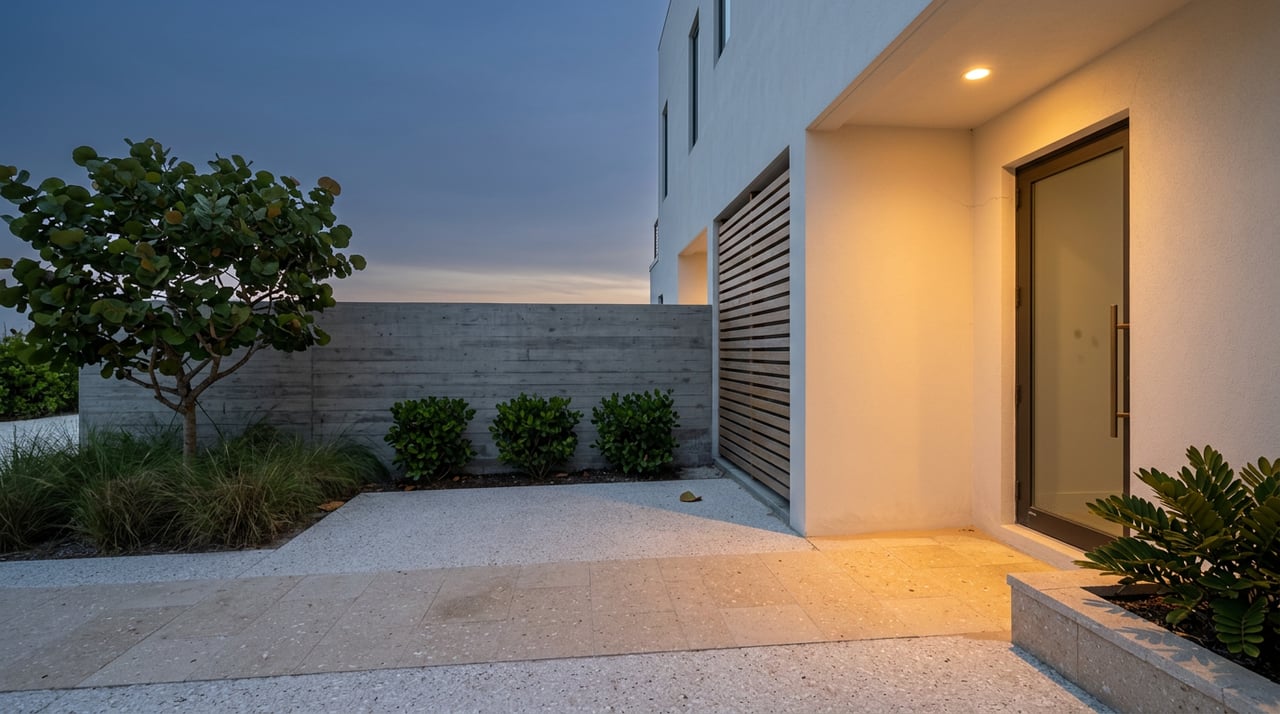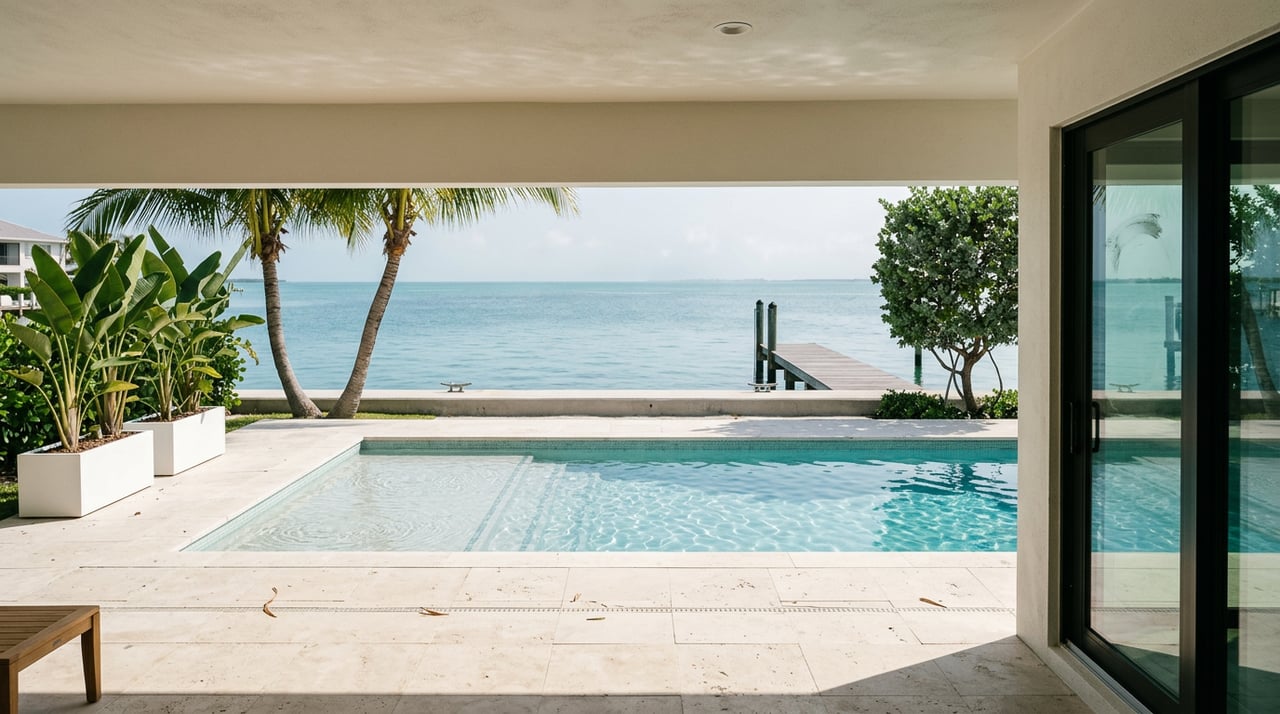
If you dream of waking to the Atlantic sunrise and winding down to Intracoastal sunsets, Hillsboro Beach offers a rare slice of coastal living. The town is tiny, inventory is scarce, and every property type along the Hillsboro Mile comes with its own lifestyle, costs, and rules. This guide breaks down waterfront homes and condos in plain English so you can compare options with confidence. You will learn what you get, what you pay for, and what to check before you buy. Let’s dive in.
Hillsboro Beach snapshot
Hillsboro Beach is a small, built‑out barrier‑island community in northern Broward County along State Road A1A, known as the Hillsboro Mile. It sits between Deerfield Beach and Pompano Beach and is primarily residential, which helps keep the vibe calm and exclusive. The town’s own resources highlight its intimate scale and coastal services for residents. You can learn more in the town’s Resident Guide and community info on the Town of Hillsboro Beach website.
Citywide listing data often shows a median price around the high six figures. That is a useful baseline, but direct ocean or Intracoastal properties can range much higher depending on view, building, dockage, and amenities.
Choose your waterfront lifestyle
Each property type delivers a different daily rhythm, cost profile, and maintenance plan. Here is how they compare.
Oceanfront condos
If you want direct beach access, ocean pools, and sunrise views, oceanfront condos are the classic Hillsboro Beach choice. Larger buildings may offer concierge or doorman service, fitness centers, and private beach areas. The lock‑and‑leave setup appeals to second‑home and seasonal buyers.
- Lifestyle: Beachfront living with resort‑style amenities and lower day‑to‑day maintenance for owners.
- Typical costs: Monthly assessments fund staffing, common‑area utilities, building maintenance, and the master insurance policy. Owners still carry an HO‑6 for interiors and contents. Premium buildings often have higher assessments, and large units can see fees in the several‑thousand‑per‑month range.
- Price expectations: Recent ranges commonly run from about $500,000 to more than $3 million depending on building, floor, size, and finishes. Smaller or older towers can offer lower entry points.
Intracoastal condos (and dual‑waterfront)
If boating and sunset views are your priority, Intracoastal condos on the west side of A1A deliver calm water vistas and the potential for dock access. Some buildings span from the ocean to the Intracoastal, offering the best of both worlds.
- Lifestyle: Quieter water, boat watching, and potential marina or deeded slip access. Ideal for buyers who value boating convenience.
- Typical costs: Similar to oceanfront regarding assessments and insurance splits. Dockage terms vary widely: slips may be deeded, assigned, or rented through the association. Those details affect value and monthly costs.
- Price expectations: Many Intracoastal or dual‑frontage units trade from the mid six figures into the low seven figures, with premium views and deeded dockage pushing values higher.
Townhomes with beach or dock access
Townhomes on the Hillsboro Mile often span multiple levels, feel more like single‑family homes, and may include direct beach access or private lifts and docks on the Intracoastal.
- Lifestyle: Extra space and privacy with community stewardship of exteriors and shared areas. Great for buyers who want a garage, multiple levels, and water access.
- Typical costs: HOAs usually cover exterior common areas, shared seawalls, and amenities. Owners are typically responsible for their own docks and any deeded seawall sections. Dues vary by community and amenities.
- Price expectations: Townhomes with dockage often land in the low to mid millions, depending on size and slip configuration.
Luxury single‑family estates
Ocean‑to‑Intracoastal estates are the pinnacle of the Hillsboro Mile. These properties can include private beaches, deep‑water docks, and architect‑designed homes.
- Lifestyle: Maximum privacy and control, with both Atlantic frontage and Intracoastal boating.
- Typical costs: Owners fund everything, including structural upkeep, landscaping, seawalls and docks, and all insurance. There is no condo master policy at the single‑family level.
- Price expectations: Expect a wide band from several million into the very high millions at the top end.
Who pays for what
Understanding association structure is key to budgeting and risk.
- Condominiums: Under Florida’s condominium law, associations typically insure and maintain common elements and the building envelope, while unit owners insure interiors, contents, and any deductible or special assessment exposure. Review the statute on association insurance responsibilities in Chapter 718.
- Homeowners associations: Detached homes or fee‑simple townhomes may fall under Chapter 720, where owners carry more responsibility for their structures. Always compare the declaration, bylaws, and budgets.
Tip: Ask for the current budget, reserve study, insurance policy, and recent meeting minutes so you know whether fee increases or special assessments are likely.
What rules affect buyers
Coastal properties come with added diligence. Build these checks into your plan early.
Milestone inspections and reserves
Florida’s post‑Surfside laws created milestone structural inspections and structural integrity reserve studies for eligible condominiums. These reports can lead to required repairs or special assessments and are now part of a building’s records. Before you write an offer, ask whether the building has completed its inspections and review any findings. Learn the state’s timetable on the DBPR milestone and SIRS timeline.
Condo project financing
Lenders and agencies review condo projects for things like reserves, insurance, litigation, and owner‑occupancy. If a project does not meet a lender’s standards, financing may be limited or more expensive. Confirm eligibility with your lender early and verify project status using Fannie Mae’s project standards summary.
Flood and wind insurance
Most barrier‑island properties sit in mapped FEMA flood zones. Lenders usually require flood insurance, and wind coverage can add meaningful cost. Pull the property’s flood zone and request an elevation certificate early. Start at FEMA’s Flood Map Service Center.
Rental rules
If you plan to rent the property, confirm the town’s vacation‑rental requirements and the association’s lease rules. Hillsboro Beach has a registration and compliance framework for vacation rentals. Review the town’s vacation rental ordinance and then verify the building’s bylaws.
Seawalls, docks, and permits
Seawall and dock responsibilities depend on your deed and association documents. Most repair or replacement work requires local and often state or federal approvals. Learn more about coastal permitting under Florida’s environmental control statutes. Broward County also participates in periodic shore‑protection and renourishment, which can influence beach width and access over time; see the county’s beach project overview.
Costs to plan for
Waterfront living delivers daily joy, and it also requires smart budgeting. Plan for:
- HOA or condo assessments that reflect staffing, insurance, reserves, and amenities. Premium oceanfront towers often carry higher monthly fees.
- Special assessments, especially in older buildings or those completing structural work, seawalls, or major capital projects.
- Insurance line items: HO‑6 or homeowners, wind, and flood. Coastal premiums are often higher than inland averages.
- Property taxes: Broward County’s effective property tax rate tends to track near 1 percent, varying by exemptions and millage. See county‑level context from the Tax Foundation.
- Maintenance for docks, lifts, landscaping, and hurricane preparation.
For a helpful perspective on shifting insurance and HOA costs in Florida, review this consumer coverage from Bankrate.
Quick buyer checklist
Use this short list to stay focused as you tour properties and review documents.
- Pull the FEMA flood map for the address and request an elevation certificate. Start at the FEMA Flood Map Service Center.
- Request association documents: declaration, bylaws, current budget, reserve study, master insurance, and recent meeting minutes. For condos, ask for any milestone inspection or structural reserve reports. Review the relevant condo statute language.
- Confirm dock or boat‑slip details: deeded, assigned, or rented. Ask for dock and seawall permit history and check for any open permits under Florida’s environmental control statutes.
- Get early insurance quotes for wind and flood using the building’s age, elevation, and any recent upgrades.
- Verify condo project financing eligibility with your lender and review Fannie Mae’s condo project standards.
- Confirm short‑term or seasonal rental rules with the Town and the association. Start with the town’s vacation rental ordinance.
- Budget conservatively for ongoing costs, including HOA fees, reserves or special assessments, and coastal insurance. A quick primer on rising costs is available from Bankrate.
How we can help
Choosing between oceanfront ease, Intracoastal boating, a townhome with space, or a full estate is a personal decision. You deserve clear numbers, transparent documents, and a smooth plan from offer to closing. With deep local knowledge of Hillsboro Beach, responsive communication, and multilingual service in English, Spanish, French, and Italian, you get a concierge experience tailored to your goals.
If you are ready to compare properties, review fees, and map out your best options on the Hillsboro Mile, connect with Patti Davila PA to schedule your concierge consultation.
FAQs
What is the difference between oceanfront and Intracoastal condos in Hillsboro Beach?
- Oceanfront delivers direct beach access and sunrise views with resort amenities, while Intracoastal focuses on boating access, sunset views, and potential deeded or rentable boat slips.
How do Florida condo milestone inspections affect a Hillsboro Beach buyer?
- Buildings subject to milestone inspections and structural reserve studies may require repairs or special assessments, so you should review the reports and budgets before making an offer using the state’s DBPR timeline.
What should I check about boat slips with a Hillsboro Beach condo?
- Confirm whether the slip is deeded, assigned, or rented, along with fees, maintenance duties, and any size or lift restrictions, since these terms impact value and ongoing costs.
Are short‑term rentals allowed in Hillsboro Beach condos?
- The Town requires vacation‑rental registration and compliance, and many associations have their own lease rules, so verify both the municipal ordinance and the building’s bylaws before you buy.
How expensive is flood and wind insurance on the Hillsboro Mile?
- Coastal premiums are typically higher than inland areas; request quotes early and use the property’s FEMA flood zone and elevation certificate to refine pricing through your insurer.
What does the HOA usually cover in an oceanfront condo?
- Associations generally handle common elements, building exteriors, and master insurance, while unit owners insure interiors and contents; confirm specifics in the documents and Chapter 718.